Hair loss in men is extremely common and usually results from a combination of genetic, hormonal, medical, and lifestyle factors. Understanding the underlying cause is essential, as treatment effectiveness depends on accurate diagnosis.
Below is a clear, medically grounded overview of the most common causes.
1. Male Pattern Baldness (Androgenetic Alopecia)
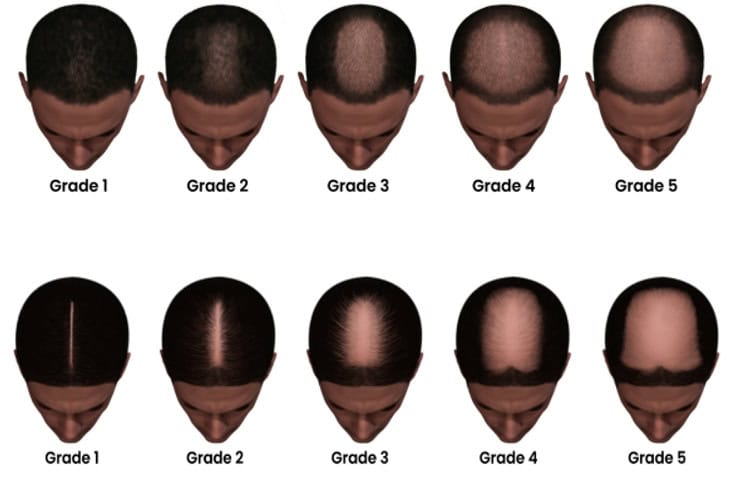
This is the most common cause of hair loss in men, affecting the majority of men to some degree during their lifetime.
- Caused by genetic sensitivity to dihydrotestosterone (DHT)
- Leads to gradual thinning at the temples and crown
- Hair follicles progressively shrink (miniaturization)
- Hair growth cycles shorten over time
2. Hormonal Factors (DHT)
DHT is a byproduct of testosterone and plays a central role in male hair loss.
- High follicle sensitivity—not high testosterone—is the key issue
- DHT shortens the hair growth phase
- Over time, affected hairs become finer and eventually stop growing
This explains why hair loss can occur even in otherwise healthy men.
3. Genetics
Hair loss risk is inherited from both parents, not just the mother’s side.
- Multiple genes influence onset, pattern, and speed
- Family history helps predict progression
- Genetics determine follicle sensitivity, not lifestyle choices
4. Stress-Related Hair Loss (Telogen Effluvium)
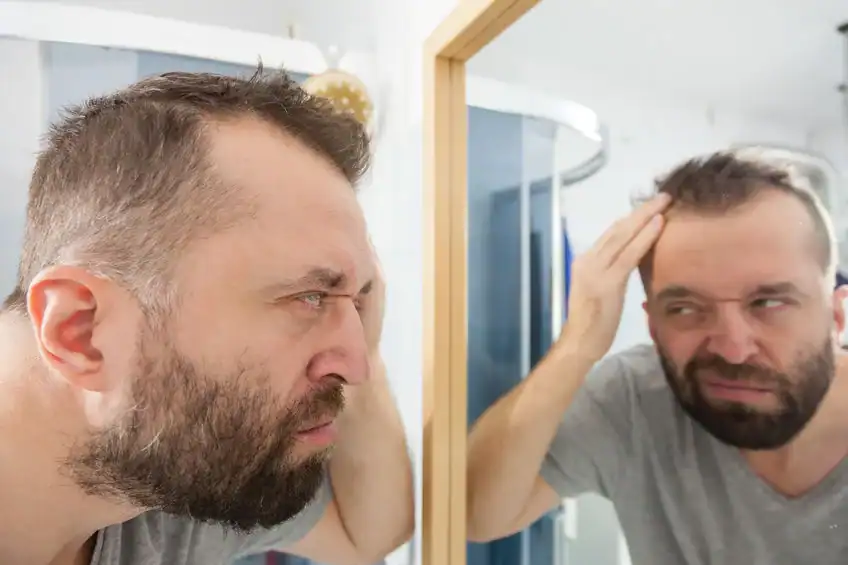
Physical or emotional stress can trigger temporary shedding.
- Major illness, surgery, rapid weight loss, or trauma
- Sudden shedding across the scalp rather than patterned loss
- Usually reversible once the stressor resolves
5. Medical Conditions and Medications
Certain health issues and drugs can contribute to hair loss:
- Thyroid disorders
- Autoimmune conditions (e.g., alopecia areata)
- Iron deficiency or nutritional deficiencies
- Chemotherapy, antidepressants, anabolic steroids
6. Lifestyle and Environmental Factors
While not primary causes, these can accelerate hair loss:
- Smoking (reduces scalp blood flow)
- Poor sleep and chronic stress
- Crash dieting or protein deficiency
- Excessive heat or harsh chemical treatments
7. Scalp and Inflammatory Conditions
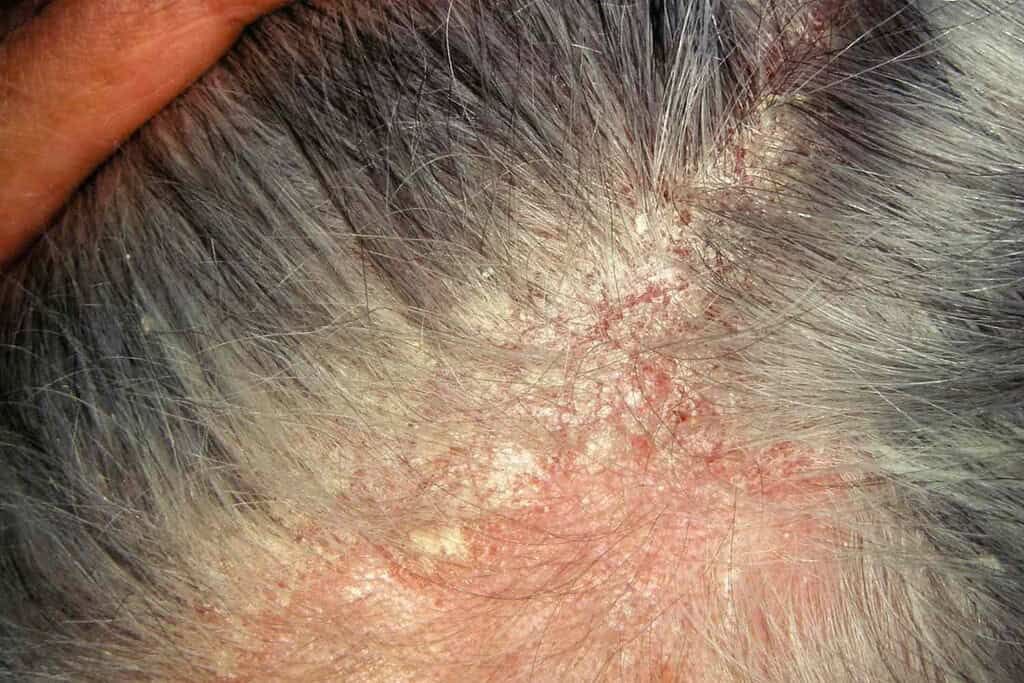
Chronic scalp inflammation can impair healthy hair growth:
- Seborrheic dermatitis
- Psoriasis
- Fungal infections
- Poor scalp hygiene
These conditions often cause itching, flaking, or redness along with shedding.
Can Hair Loss Be Prevented?
Some causes cannot be prevented, but early intervention can significantly slow or stabilize hair loss.
- Genetic hair loss responds best to early treatment
- Stress-related hair loss is often reversible
- Medical causes require targeted management
Bottom Line
Most male hair loss is driven by genetics and DHT, but stress, health conditions, and lifestyle factors can worsen or accelerate the process. Identifying the cause early allows for more effective treatment and better long-term outcomes.