Fat Transfer Breast Augmentation in Albania
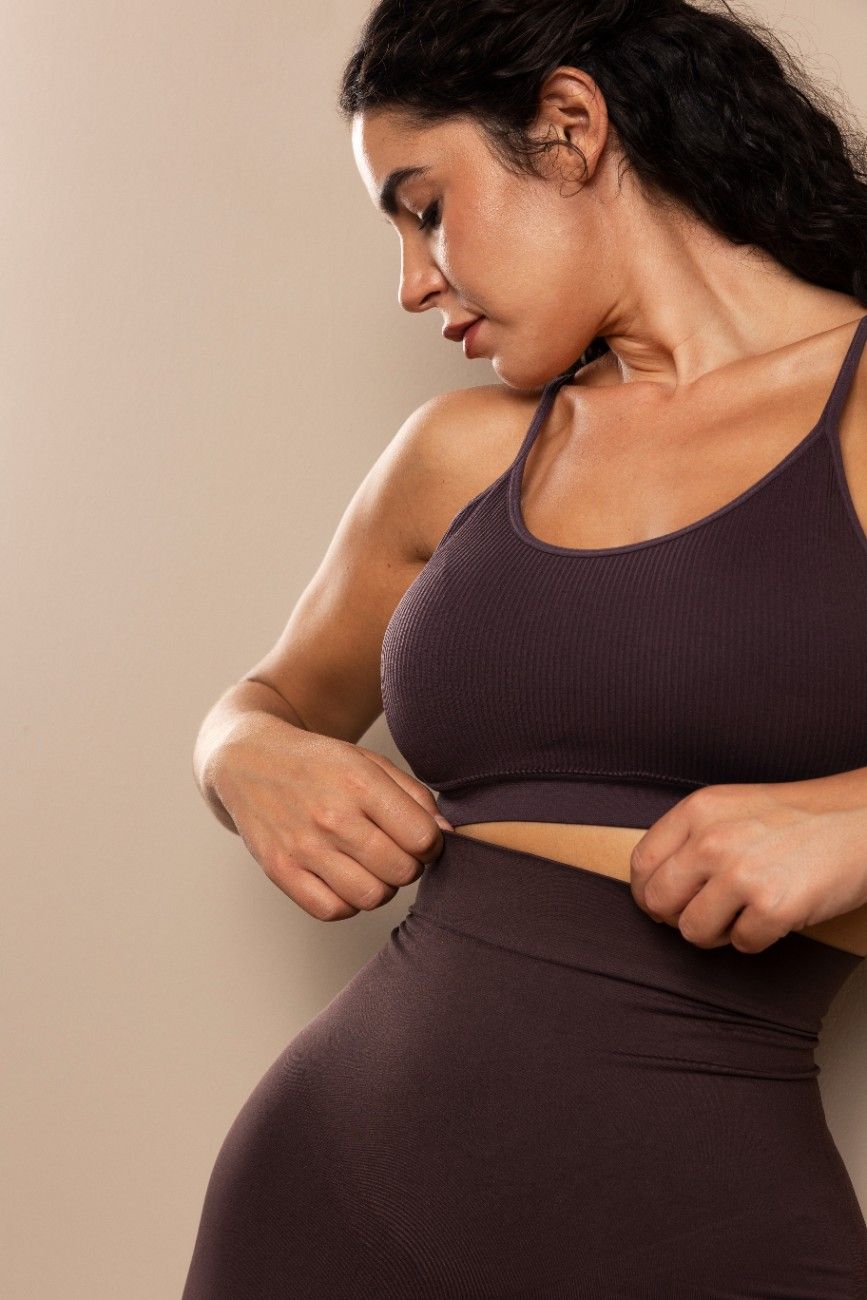
Fat Transfer Breast Augmentation at Hygeia Plastic Surgery in Tirana
Enhancing Breast Volume through Natural Fat Transfer to Breasts
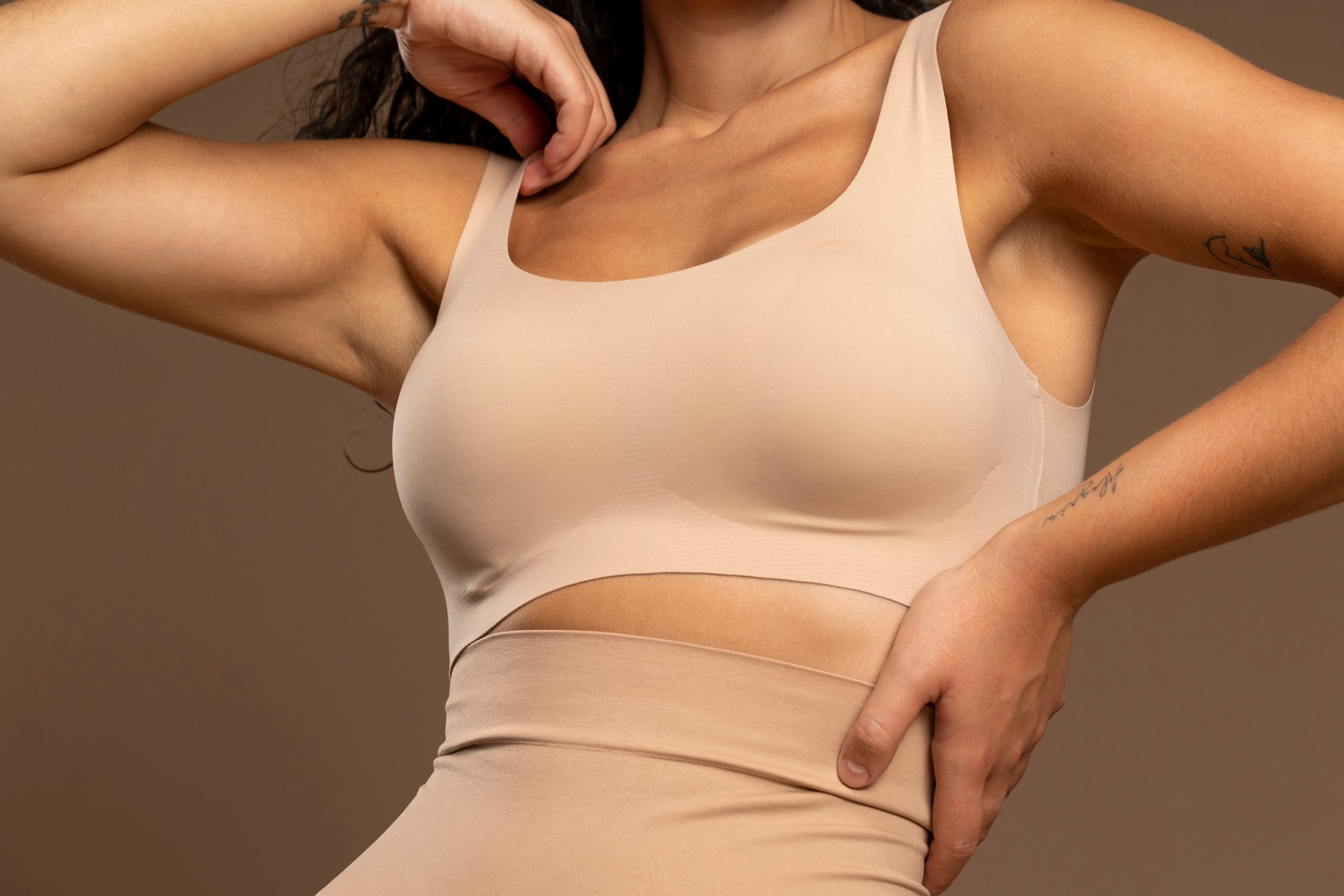
Fat transfer breast augmentation—also called autologous fat grafting or natural breast enlargement—represents a significant advancement in cosmetic breast surgery. This technique increases breast volume using your own tissue, eliminating concerns about implants while simultaneously contouring areas where excess fat exists.
At Hygeia Plastic Surgery in Tirana, Albania, we perform fat transfer breast augmentation using advanced techniques that maximize fat survival rates and deliver natural-looking results. Our board-certified plastic surgeons have extensive experience in body contouring procedures, having completed hundreds of liposuction and fat grafting surgeries. Their expertise combines technical precision with artistic sensibility to achieve results that feel natural and blend seamlessly with your body’s proportions.
The procedure offers particular appeal for women seeking modest breast enhancement—typically one to two cup sizes—without the commitment of breast implants. Fat transfer delivers soft, natural-feeling breasts while improving body contour in donor areas like the abdomen, thighs, or flanks. The dual benefit of removing unwanted fat from one area while enhancing the breasts makes this procedure increasingly popular among European patients seeking comprehensive body contouring.
We serve patients from across Europe—Italy, Germany, the UK, and beyond—who seek quality surgical care at costs significantly lower than their home countries. Hygeia operates as a fully equipped hospital facility maintaining European safety standards with modern operating theatres, advanced liposuction technology, and experienced surgical teams. For international patients, we coordinate travel arrangements, accommodation recommendations, and follow-up care planning to ensure a smooth experience from consultation through recovery.
What is Fat Transfer to the Breasts?
Fat transfer breast augmentation is a two-stage procedure that harvests fat from areas of excess, processes it carefully, and injects it into the breasts to increase volume and improve shape. The technique uses your own tissue—autologous fat—making it a natural alternative to synthetic breast implants.
The process begins with liposuction, a surgical technique that gently removes fat cells from donor areas typically including the abdomen, flanks, thighs, or hips. The harvested fat undergoes careful processing and purification to isolate the highest-quality fat cells while removing blood, oil, and damaged cells. This purified fat is then strategically injected throughout the breast tissue in small amounts distributed across multiple planes to maximize blood supply contact and fat survival.
Unlike traditional breast augmentation with implants that can achieve dramatic size increases, fat transfer delivers more modest enhancement—generally one to two cup sizes depending on available donor fat and breast tissue characteristics. The results appear and feel completely natural since the breasts contain only your own tissue. There’s no implant to feel, no risk of rupture or capsular contracture, and breast tissue remains fully mammogram-compatible.
The procedure offers the additional advantage of body contouring. Removing fat from areas like the abdomen or thighs creates a more sculpted silhouette while simultaneously enhancing the breasts. This dual benefit appeals to many women, particularly those seeking comprehensive body reshaping rather than isolated breast enlargement.
Not all transferred fat survives long-term. Current techniques achieve approximately 60-70% permanent fat retention, with the remaining 30-40% naturally reabsorbed by the body over the first three months. Surgeons account for this by slightly overcorrecting initially. Final results become apparent around three months post-surgery once reabsorption is complete and remaining fat has established permanent blood supply.


The Best Candidates For Fat Transfer Breast Procedure are patients with…

Should I Get a Fat Transfer Breast Augmentation?
Consider fat transfer breast augmentation if you want modest, natural breast enhancement without implants. The procedure suits women seeking:
Moderate size increase: Fat transfer typically delivers one to two cup sizes of enhancement. If you want dramatic enlargement or very large breasts, implants may be more appropriate.
Natural feel and appearance: Transferred fat integrates completely into breast tissue, creating results that look, feel, and move naturally. There’s no implant to potentially see or feel, particularly in thin patients.
Implant-free augmentation: If you’re concerned about having foreign materials in your body, fat transfer uses only your own tissue. No implant means no risk of rupture, leakage, capsular contracture, or other implant-related complications.
Body contouring plus breast enhancement: The liposuction component removes unwanted fat from problem areas, improving overall body proportions while simultaneously enhancing breasts.
Breast reconstruction or correction: Fat transfer works well for correcting asymmetry, filling upper breast hollowness, improving breast shape after weight loss, or reconstructing breasts after lumpectomy or other breast surgery.
The procedure is less suitable if you want significant size increase (more than two cup sizes), lack sufficient donor fat, have very tight breast skin with limited capacity for volume, or want immediate final results without the three-month waiting period for fat to settle and stabilize.
Fat transfer breast augmentation at Hygeia Plastic Surgery in Albania offers natural breast enhancement using your own body fat. Also known as autologous fat grafting or natural breast augmentation, this procedure harvests excess fat from areas like the abdomen, thighs, or flanks through liposuction, then carefully injects purified fat cells into the breasts to increase volume and improve shape.
Unlike breast implants which use synthetic materials, fat transfer creates entirely natural results. The transferred fat integrates completely into existing breast tissue, producing breasts that look, feel, and move naturally. There are no implants to rupture, no risk of capsular contracture, and minimal scarring since the procedure requires only tiny puncture incisions. Additionally, fat transfer provides the dual benefit of removing unwanted fat from problem areas while simultaneously enhancing breast size—essentially combining liposuction body contouring with breast augmentation in a single procedure.
At Hygeia Hospital in Tirana, our experienced plastic surgeons use advanced fat harvesting and processing techniques to maximize fat cell survival and achieve optimal results. While fat transfer typically provides modest volume increase of one to two cup sizes, it delivers completely natural enhancement ideal for women seeking subtle improvement without implants. The procedure can be performed alone or combined with breast implants in a hybrid approach for women wanting both substantial size increase and the natural feel that fat grafting provides.
Key Information at a Glance
Surgery Time: 2-3 hours
Anesthesia: General anesthesia
Hospital Stay: Same day discharge
Return to Work: 5-7 days
Full Recovery: 3-4 weeks
Cost in Albania: €3,200-4,800
Size Increase: 1-2 cup sizes
Fat Reabsorption: 30-40% over 3 months
Benefits of Fat Transfer to Breasts
Natural appearance
Transferred fat integrates completely into existing breast tissue, creating results that look and feel completely natural. The breasts move naturally, have natural softness, and show no visible signs of enhancement. Unlike implants that can sometimes be felt or seen (particularly in thin patients), fat becomes indistinguishable from native breast tissue.
Minimal scarring
Fat transfer requires only tiny puncture incisions for liposuction cannulas and injection needles. These heal to barely visible marks, unlike the longer incisions needed for implant placement. Scars are typically 3-5mm and located in inconspicuous areas.
No risk of implant rupture
Since there’s no implant, there’s nothing to rupture, leak, or require replacement. You avoid long-term implant-related concerns including capsular contracture, implant malposition, rippling, or the need for future surgeries to replace aging implants.
Minimal recovery time
Recovery from fat transfer is generally easier than implant-based augmentation. There’s no muscle manipulation, no implant pocket creation, and no foreign body for your system to accommodate. Most women resume desk work within 5-7 days and full activities by 3-4 weeks.
No foreign objects in the body
Fat transfer uses only your own tissue. There are no synthetic materials, no silicone, no foreign objects. This appeals to women who prefer natural solutions and want to avoid introducing artificial materials into their bodies.
Dual benefit
The liposuction component removes unwanted fat from problem areas—abdomen, flanks, thighs, back—while the fat grafting enhances breasts. You get body contouring plus breast augmentation in a single procedure, addressing multiple aesthetic concerns simultaneously.
Should I Get Hybrid Breast Augmentation?
Hybrid breast augmentation combines fat transfer with breast implants, delivering the volume of implants plus the natural contouring and feel enhancement of fat grafting. This approach suits women wanting:
Larger size increase than fat alone can provide
Implants add significant volume while fat transfer smooths contours, fills upper breast hollowness, and enhances cleavage.
Natural appearance despite implants
The fat layer over and around the implant softens edges, prevents visible rippling, and creates more natural transitions, particularly in thin patients where implants might otherwise be visible or palpable.
Body contouring plus substantial breast enhancement
You get the body sculpting benefits of liposuction, the volume from implants, and the refinement from fat grafting.
The hybrid approach requires more complex surgery, longer operating time, and higher costs than either procedure alone. However, for appropriate candidates seeking both substantial size increase and maximum naturalness, the combination often delivers superior results compared to either technique independently.
During consultation, we can discuss whether fat transfer alone, implants alone, or hybrid augmentation best suits your anatomy, goals, and expectations.
Who is a Good Candidate?
Age
Candidates should be at least 18 years old with fully developed breasts. There’s no upper age limit provided you’re in good health. Women in their 40s, 50s, and beyond successfully undergo fat transfer breast augmentation.
Health
Good overall health is essential. Conditions affecting healing—uncontrolled diabetes, autoimmune disorders, significant cardiovascular disease—may preclude surgery or require special management. You should be at or near your goal weight, as significant post-surgery weight changes can affect results.
Breasts
Ideal candidates have adequate existing breast tissue to accept transferred fat and skin with reasonable elasticity. Very small breasts with tight, inelastic skin may have limited capacity for fat acceptance. Some natural breast volume provides better fat survival compared to completely flat chests.
Women with moderate sagging may benefit from combining fat transfer with breast lift. Severe ptosis usually requires lift surgery rather than fat transfer alone.
Body fat
Sufficient donor fat is necessary—typically requiring BMI above 22-23. Very thin women may lack adequate fat for meaningful breast enhancement. Common donor areas include abdomen, flanks, thighs, and back. If you have minimal body fat, implants may be more appropriate.
Lifestyle habits
Non-smokers are ideal candidates. Smoking severely impairs healing and dramatically reduces fat survival rates. You must stop smoking at least four weeks before surgery and throughout recovery. Even occasional smoking or vaping compromises results. Regular exercise and healthy lifestyle support healing.
Expectations
Realistic expectations are crucial. Fat transfer delivers modest enhancement—typically one to two cup sizes. If you want dramatically larger breasts, implants achieve greater size increase. Understanding that 30-40% of transferred fat will reabsorb and final results take three months to stabilize helps ensure satisfaction.
Pregnancy plans
Fat transfer doesn’t preclude future breastfeeding—the procedure doesn’t disrupt milk ducts or glandular tissue. However, pregnancy and breastfeeding can change breast size and shape, potentially affecting aesthetic results. If you’re planning children soon, consider waiting until after completing your family.
How to Prepare for Surgery
Quit smoking
Stop smoking at least four weeks before surgery. Nicotine—from cigarettes, vaping, patches, or gum—constricts blood vessels, reduces oxygen delivery to tissues, and dramatically decreases fat survival rates. Continue avoiding tobacco throughout recovery for optimal results.
Maintain a healthy diet
Eat nutritious, balanced meals in the weeks before surgery. Good nutrition supports healing and fat survival. Maintain stable weight—significant weight loss before surgery reduces available donor fat while weight gain changes body proportions and may affect surgical planning.
Avoid certain medications and supplements
Discontinue blood-thinning medications and supplements two weeks pre-surgery. Common culprits include aspirin, ibuprofen, naproxen, vitamin E, fish oil, garlic supplements, ginkgo biloba, ginseng, and St. John’s wort. Your surgeon provides a comprehensive list. Continue necessary prescription medications unless specifically instructed otherwise.
Arrange for transportation and recovery
Arrange someone to drive you home after surgery and stay with you the first night. Plan to take at least one week off work, possibly two depending on your job’s physical demands.
Prepare your home for recovery
Set up a recovery area with pillows for comfortable positioning, entertainment within reach, easy access to water and medications, and loose, comfortable clothing. Stock easy-to-prepare meals. Have ice packs ready for swelling management on donor sites.
Follow preoperative instructions
Complete required lab work and medical clearance. Follow fasting instructions for the night before surgery—typically nothing to eat or drink after midnight. Shower with antibacterial soap the morning of surgery. Arrange someone to care for children or pets during your recovery period.
How is Fat Transfer Performed?
Anesthesia
Fat transfer breast augmentation is performed under general anesthesia administered by a board-certified anesthesiologist who monitors you throughout the procedure. The surgery typically takes 2-3 hours depending on the amount of fat harvested and transferred.
Liposuction
The procedure begins with liposuction to harvest donor fat. Your surgeon injects tumescent solution—a mixture of saline, local anesthetic, and epinephrine—into donor areas to minimize bleeding, reduce discomfort, and facilitate fat removal. Small incisions (3-5mm) allow insertion of thin cannulas that gently suction fat while preserving cell integrity. Common donor sites include the abdomen, flanks, thighs, and back.
Preparation of the fat
Harvested fat undergoes careful processing to isolate viable fat cells. The fat is either centrifuged to separate fat cells from blood, oil, and damaged cells, or washed and filtered through specialized systems. This purification concentrates the highest-quality fat cells while removing components that don’t contribute to grafting success.
Transfer of the fat
Purified fat is loaded into syringes connected to small injection cannulas. The surgeon makes tiny puncture incisions—typically in the breast fold or areola edge—and carefully injects fat throughout the breast tissue using micro-droplet grafting technique. This ensures each fat cell has maximum contact with surrounding tissue and blood supply. The surgeon typically injects more fat than the target final volume, accounting for the 30-40% that will be reabsorbed.
Closure
Once fat transfer is complete, the tiny incisions are closed with dissolvable sutures or surgical glue. Dressings are applied to liposuction sites and breasts. You’re placed in a supportive surgical bra and compression garments on donor areas to minimize swelling and support healing.
Recovery Timeline
Week 1
Moderate soreness in both breasts and liposuction donor areas. Pain medication manages discomfort effectively. Significant swelling in breasts and liposuction areas. Bruising develops over the first few days. Wear compression garments on liposuction areas continuously. Keep the surgical bra on as instructed. Rest primarily with short, gentle walks. Avoid raising arms overhead or lifting anything heavy. Most patients take the full week off work.
Week 2
Pain decreases significantly. Swelling improves gradually. Bruising fades from dark purple to green-yellow. Continue wearing compression garments and surgical bra. Gradually increase activity but avoid heavy lifting and strenuous exercise. Most patients return to desk work this week. Continue sleeping on your back with elevation.
Week 3-4
Minimal pain—occasional twinges are normal. Much improved swelling. Breasts approaching their final shape though still slightly swollen. Continue compression on donor areas for the full four weeks. Light upper body exercise may begin around week 3-4 if cleared by your surgeon. Most patients are back to all work activities by now.
Week 4-6
Discomfort essentially resolved. Swelling largely resolved—breasts close to final size though some settling continues over the next two months. Resume all activities including unrestricted exercise once cleared by your surgeon, typically around week 6. Compression garments on donor areas can usually be discontinued.
When Will I See Results?
Fat transfer results develop gradually over three months. Immediately after surgery, breasts appear larger than the intended final size due to swelling and the strategic overcorrection accounting for fat reabsorption. Over the first three months, swelling subsides and 30-40% of transferred fat is naturally reabsorbed by the body.
Immediate post-surgery
Breasts are swollen and larger than final size. Initial appearance doesn’t reflect final results.
One month
Significant swelling has resolved. You can appreciate the approximate size but continued changes will occur as reabsorption continues.
Three months
Final results are apparent. Reabsorption is complete, remaining fat has established permanent blood supply, and breast size and shape are stable. This is when you can accurately assess your final outcome.
Six months and beyond
Results are stable. The surviving fat is permanently incorporated and behaves like native breast tissue—increasing if you gain weight, decreasing if you lose weight.
Patience is important with fat transfer. Unlike implants where you see immediate size increase, fat grafting requires three months for final results to materialize. The waiting can be challenging, but final outcomes are worth the patience.
Potential Risks and Complications
Fat reabsorption
The body reabsorbs 30-40% of transferred fat over three months. While expected and accounted for in surgical planning, the exact amount varies between patients. Factors affecting fat survival include surgical technique, patient health, smoking status, and individual biology. If insufficient fat survives to achieve desired size, a second fat grafting session can add more volume.
Asymmetry
Breasts may heal with slight size or shape differences. Asymmetry can result from unequal fat reabsorption, variations in blood supply, or pre-existing breast differences. Minor asymmetry is common and often acceptable. Significant asymmetry may require revision surgery.
Scarring
Though incisions are tiny, small scars remain at liposuction and injection sites. Most scars are inconspicuous and fade over time. Keloid-prone individuals may develop more noticeable scars.
Infection
Surgical site infection can occur despite sterile technique and prophylactic antibiotics. Treatment involves antibiotics and possibly drainage. Infection is uncommon but requires prompt attention if it develops.
Changes in sensation
Temporary breast numbness or altered nipple sensation is common, usually resolving over weeks to months. Permanent sensation changes are less common but possible. Sensation may increase, decrease, or feel different compared to before surgery.
Fluctuations in volume
Transferred fat behaves like fat elsewhere in your body—increasing with weight gain, decreasing with weight loss. Significant weight changes can affect breast size and shape. Maintaining stable weight helps preserve results.
Additional risks include fat necrosis (areas of fat that don’t survive forming firm lumps), oil cysts, calcifications visible on mammograms, contour irregularities, and prolonged swelling. Your surgeon discusses all risks during consultation and strategies to minimize complications.
Cost in Albania
Fat transfer breast augmentation at Hygeia Plastic Surgery in Albania typically costs €3,200-4,800, significantly less than Western European prices. Comparable procedures cost €7,000-11,000 in the UK, €7,500-12,000 in Germany, or €6,500-10,000 in Italy.
Pricing varies based on the amount of fat harvested and transferred, number and extent of liposuction donor sites, surgical complexity, and specific facility fees. The quote includes surgeon’s fee, anesthesia, hospital costs, compression garments, surgical bra, and initial follow-up appointments.
For international patients, factor in flights and accommodation for your 5-7 day stay in Albania. Even with travel expenses, total costs remain 50-60% lower than having surgery at home. Tirana has excellent connections to European capitals with many budget airline options.
Transparent Pricing & Payment Plans
We provide transparent, itemized pricing during consultation. What we quote is what you pay—no surprise fees or hidden charges.
Payment plans are available through medical finance providers. Contact our patient coordinators for specific financing options and terms.
Complementary Procedures
Brazilian Butt Lift
If you want both breast and buttock enhancement using fat transfer, these procedures can be combined in a single surgery. The surgeon harvests fat via liposuction and distributes it between breasts and buttocks according to your goals. This comprehensive approach addresses multiple body areas with one recovery period.
Tummy Tuck (Mommy Makeover)
Combining fat transfer breast augmentation with tummy tuck is popular for post-pregnancy body restoration. The tummy tuck removes excess abdominal skin and tightens muscles while liposuction harvests fat for breast enhancement. This addresses common post-pregnancy concerns—deflated breasts and stretched abdomen—in one surgery.
Breast Lift
If breasts sag significantly, fat transfer can be combined with breast lift to address both volume loss and sagging in a single procedure.
Additional Body Contouring
Additional liposuction in multiple areas can be performed simultaneously to achieve comprehensive body sculpting while harvesting fat for breast enhancement.
Why Choose Hygeia Plastic Surgery?
Experienced surgeons
Our board-certified plastic surgeons trained internationally and regularly perform fat transfer procedures using advanced techniques that maximize fat survival rates. They understand the nuances of gentle liposuction, proper fat processing, and strategic injection placement.
Advanced technology
We use modern liposuction systems designed to preserve fat cell integrity and specialized fat processing equipment to isolate the highest-quality cells for transfer.
Modern hospital facility
Hygeia operates as a fully equipped hospital with dedicated operating theatres, advanced monitoring equipment, and comprehensive safety protocols—not a clinic, but a hospital capable of managing any complication.
European safety standards
Our facility meets European healthcare standards. We use CE-marked medical devices and follow international protocols for surgical safety.
Comprehensive care & medical tourism expertise
From consultation through recovery, our team provides attentive, personalized care. For international patients, we coordinate travel, accommodation, and follow-up care planning. We provide clear, detailed pricing with no hidden fees. Significant cost savings compared to Western Europe without compromising quality or safety.
Fat transfer breast augmentation offers natural breast enhancement while improving body contour. At Hygeia, we’re committed to delivering results that look and feel natural while enhancing your confidence and quality of life.
Meet the team